Marketing Strategy for Construction Company: Attract High-Value Clients Fast
Before you spend a single dollar on ads or a minute on social media, we need to lay the foundation. Just like you wouldn't pour concrete without proper footings, you can't build a marketing plan without knowing exactly who you're building it for and what makes you the best choice for the job.
This isn't about vague goals. It’s about getting crystal clear on two things: your ideal client and your unique selling proposition (USP). Get this right, and every other piece of your marketing will fall into place, saving you a ton of wasted time and money down the road.
Building Your Marketing Blueprint

Think about it from a practical standpoint. The marketing for a high-end custom home builder in an affluent suburb looks completely different from the marketing for a roofer who chases storm-damage insurance work. Their clients have different problems, hang out in different places online, and respond to completely different messages.
Without a solid plan, you're just guessing. A blueprint ensures every decision—from the photos on your website to the audience for your Google ads—is laser-focused on attracting the right kind of profitable work.
Find Your Money-Making Sweet Spot
First things first, take a hard look at your books from the last year or two. Forget about which job had the biggest price tag for a moment and focus on which ones were actually the most profitable.
Ask yourself a few simple questions:
- Which projects ran the smoothest, with the fewest headaches?
- Honestly, which clients were a dream to work with?
- What kind of work really lets your crew's skills shine?
You'll start to see a pattern. Maybe you'll realize that kitchen remodels in that one historic neighborhood are your real money-makers—way more profitable and enjoyable than those new deck builds you keep taking on. That's your gold mine.
Sketch Out Your Ideal Client
Once you know the work you want, you can paint a picture of the person who hires you for it. Forget generic descriptions. You need to get specific enough that you could spot this person in a coffee shop.
Instead of a blurry target like "homeowners, 35-55," try creating a real persona:
- Meet "Renovation-Ready Rachel": She lives in a 20-year-old house over in the Northwood subdivision. She's active on Instagram, following local interior designers for inspiration. Her biggest fears are a messy job site and a project that spirals over budget. Before she even calls, she's already read every one of your online reviews and plans to get three quotes.
See the difference? Now you know Rachel's worries and what she values. You can speak directly to her in your website copy, your ads, and your social media posts.
Key Takeaway: This client profile is your North Star. It's the filter you run every marketing decision through. It’s the difference between shouting into a crowd and having a direct, personal conversation with your next best customer.
Define What Makes You Different (Your USP)
Now for the final piece of the foundation: why should they choose you? Every single one of your competitors claims to do "quality work" and offer "great service." Those phrases are meaningless. They're just noise.
Your Unique Selling Proposition (USP) has to be a specific, concrete promise that sets you apart. It needs to be something that actually matters to your ideal client.
Look at the difference in these two statements. Which one builds more trust?
- The Vague Promise: "We provide reliable plumbing services."
- The Killer USP: "We’re the only plumber in town with a 24-hour response guarantee on all non-emergency calls. If we're not there, the service call is on us."
That specific promise becomes the cornerstone of your marketing message. It’s a powerful, tangible reason for clients to pick up the phone and call you instead of the other guys.
Winning Locally: Nail Your Google and SEO Strategy

For your trade or construction business, forget prime commercial real estate. Your most valuable spot is at the very top of Google’s local search results.
Think about it. When a homeowner's AC gives out in July or a pipe bursts in the middle of the night, they're not flipping through a phone book. They're grabbing their phone and searching "emergency plumber near me." Showing up right then and there is the difference between landing a profitable job and never even knowing it existed.
This is where your marketing shifts from just building a brand to generating actual, paying work. The fight for local customers is won online, and your knockout punch is your Google Business Profile (GBP). Treat it like your digital storefront—it’s the first impression you’ll make on most potential clients.
Turn Your Google Business Profile into Your Best Sales Rep
An ignored GBP is a hole in your bucket, leaking potential leads every day. But a fully built-out profile works for you around the clock. It answers questions, shows off your craftsmanship, and builds trust before anyone even visits your website. It’s far more than a simple listing; it’s a living, breathing marketing channel.
Here’s how to put it to work immediately:
- Fill Out Every Single Field. Seriously, don't leave anything blank. Services, service areas, hours, payment types—the more complete your profile is, the more Google trusts you and bumps you up in the rankings.
- Upload High-Quality Photos Every Week. You have to show, not just tell. Post pictures of your team on-site, your branded trucks, and especially, your finished projects. Those before-and-after shots are pure gold for remodelers, roofers, and electricians.
- Use Google Posts. This is a criminally underused feature. Share photos from a recent job, announce a seasonal special, or post a quick company update. A post about a kitchen remodel you just wrapped up in a specific neighborhood screams local relevance to Google's algorithm.
A profile that's constantly updated tells Google you're active, you're legitimate, and you deserve that top spot in the local map pack.
Your Google Business Profile isn't just a static listing; it's a dynamic tool. Get ahead of the game by using the Q&A section to answer common questions like, "Do you offer free estimates?" It shows you understand your customers and saves everyone a phone call.
Build Unshakeable Trust with Reviews
Nothing sells your work better than a happy customer. A constant stream of positive reviews is probably the single biggest factor in getting a searcher to become a caller. In fact, research shows that nearly 90% of consumers read online reviews for local businesses before making a contact.
You need a simple, repeatable process for getting reviews. It doesn't have to be slick or complicated. The best time to ask is right after you've solved their problem and they’re breathing a sigh of relief. A quick text or email with a direct link to your GBP review page while the positive experience is fresh in their mind works wonders.
Dominate Your Service Area with Hyper-Local Website Pages
While your GBP is your frontline soldier, your website is your home base. To really own your local market, you need to create specific service pages for each city or major neighborhood you work in. This is a game-changer because it perfectly matches how real people search for your services.
A generic "HVAC Repair" page is going to struggle to rank everywhere. But a page titled "Emergency AC Repair in Springfield" tells Google you are the absolute best, most relevant result for someone searching from that specific town.
For each of these local pages, make sure you include:
- The city or town name in the page title (H1 tag), the URL, and naturally throughout the text.
- Unique content about that area. Mention local landmarks, common housing styles (e.g., "We specialize in rewiring historic homes in the Northwood district"), or specific challenges.
- A testimonial from a customer who lives in that exact town to build powerful social proof.
For a deeper dive, there's an excellent a guide on how to improve local SEO for service businesses that breaks this down even further.
This hyper-local approach signals deep authority and helps you leapfrog competitors who are still using a one-size-fits-all strategy. When you combine a killer GBP with a website full of targeted local content, your online presence stops being an expense and starts becoming a lead-generating machine. Tools like Rank Math can also help you dial in all the technical details on your site to make sure Google sees you clearly.
Turning Your Website Into a Lead Generation Machine

Think of your website as your hardest-working salesperson. It should be on the clock 24/7, turning casual visitors into qualified job leads. Far too many contractors let their site become a static digital brochure—a place for a logo and a phone number. That’s a massive missed opportunity.
Your website shouldn't just exist; it needs to persuade, build trust, and make it ridiculously easy for potential clients to take the next step. The name of the game isn't just getting traffic, it's getting conversions. Every single element, from your images to your page titles, should guide a visitor toward one action: contacting you.
This means plastering your site with clear "Request a Quote" buttons, keeping your phone number visible at all times, and using simple contact forms that don't ask for a prospect's life story.
Build Instant Trust with Visual Proof
Before a potential client reads a single word, they’re judging you on your photos. It's just human nature. Grainy, decade-old pictures of finished jobs scream "out of touch." What you need are sharp, high-quality images of your team in action, your clean work trucks, and stunning before-and-after shots that do the selling for you.
This kind of visual evidence proves your professionalism and craftsmanship before you even have to say anything. You can back this up with other credibility boosters sprinkled throughout the site:
- Showcase Your Certifications: Are you NATE-certified? A preferred partner for a specific manufacturer? Get those logos on your site.
- Feature Real Testimonials: Don't just make up quotes. Pull the best lines from your Google reviews and feature them prominently with the client's name and city.
- Highlight Your Guarantees: If you offer a workmanship warranty or a satisfaction guarantee, don't bury it. Make it a focal point on your homepage and service pages.
These little details work together to lower a visitor's guard and give them the confidence they need to pick up the phone.
Fuel Your Site with Content That Solves Problems
A well-designed website is just an empty truck. The fuel that makes it go is great content. Your content strategy should be laser-focused on answering the real-world questions your ideal clients are typing into Google right now.
When you create genuinely helpful blog posts and project case studies, you position yourself as an expert, not just another contractor begging for their business.
Start by brainstorming content around topics people actually care about:
- Cost-Related Questions: A blog post titled "What's the Real Cost of a Kitchen Remodel in Springfield?" is going to attract highly qualified local search traffic.
- Problem-Solving Guides: Think about an article like "5 Signs Your Water Heater is About to Fail." It provides real value and naturally positions you as the solution.
- Detailed Project Case Studies: Walk people through a tough project you nailed. Show before-and-after photos, explain the challenge, and cap it off with a quote from the ecstatic client.
This approach turns your website from a sales pitch into a valuable resource. To really make this work, implementing strong B2B lead generation best practices is crucial for building a consistent pipeline of qualified clients from all that new traffic.
Embrace the Power of Video
Heading into 2026, video is no longer a "nice to have"—it's a powerhouse. For HVAC, plumbing, and electrical contractors, it drives a level of engagement you just can't get from text and photos. You don't need a Hollywood film crew; your smartphone is more than enough to create content that builds serious trust.
Simple before-and-after walkthroughs of a finished job are gold. Industry stats back this up: video posts get around 12 times more shares than text and images combined, and contractors who started using video in 2025 saw conversion rates jump by as much as 49%. It just works.
Pro Tip: Don't overthink it. A quick, 30-second phone video of your lead tech explaining a common HVAC issue on a real service call feels far more authentic and trustworthy than a slick, scripted commercial. Authenticity sells.
When you combine a clean, conversion-focused design with powerful trust-building elements and a helpful content strategy, your website becomes the engine of your marketing. It’s the hub that works tirelessly to grow your business, feeding your team a steady stream of leads that need to be managed and scheduled efficiently.
Using Paid Ads to Attract Ready-to-Buy Customers
SEO and content marketing are great for the long game, but let's be honest—sometimes you just need the phone to ring today. That’s exactly what a smart paid advertising strategy is for. Paid ads give you a shortcut, letting you jump right to the front of the line when a homeowner’s problem suddenly becomes urgent.
It's not about having the biggest budget; it's about being the smartest marketer. For contractors, the whole point is to capture what we call "high-intent" customers—people with a busted water heater or a leaky roof who need a pro, now. A well-placed ad is often the most direct path to a profitable job.
Go Straight to the Top with Google Local Services Ads
If you're a contractor and you're going to run one type of ad, make it Google Local Services Ads (LSAs). Seriously. These aren't your standard text ads. They show up at the very top of Google, above everything else—even the regular ads and the map pack.
The real magic here is the "Google Guaranteed" badge. To get it, you have to pass Google's background checks and show them your license and insurance. This little green checkmark is a massive trust signal for homeowners, instantly telling them you're a legit, vetted professional. That alone puts you way ahead of the competition.
Best of all, LSAs are built to make your phone ring. You don't pay when someone clicks; you pay per qualified lead. That means you're only charged when a customer actually calls your business through the ad. This model makes your ad spend incredibly efficient because it’s tied directly to real opportunities.
A Pro's Take: Your LSA performance is directly tied to your reputation. Google's algorithm loves contractors who answer the phone quickly and have a ton of great reviews. Make sure you're consistently asking for reviews on your Google Business Profile—it will literally make your ads perform better and cost you less.
Target Urgent Needs with Google Search Ads
Right below the LSAs, you’ll find the traditional Google Search ads. These are perfect for targeting homeowners who are frantically searching for specific, urgent services. Your goal is to bid on keywords that scream, "I need help now!"
Get inside the head of a customer in panic mode. They're searching for things like:
- "Emergency roofer near me"
- "24-hour plumber Springfield"
- "AC repair same day"
These people aren't just browsing. They're ready to hire the first qualified person they can find. Building a focused campaign around these "money keywords" lets you swoop in and capture leads right at their point of maximum need. You get total control, too—you can set a daily budget, target just a few zip codes, and even pause your ads when your schedule gets full.
Bring Back Hesitant Visitors with Remarketing
So, what happens to all those people who visit your website, click around a bit, but then leave without calling? Don't just let them walk away. This is where remarketing comes in, and it's one of the most effective, low-cost tactics you can use.
Remarketing works by showing your ads to people who have already visited your site. As they browse other websites or scroll through Facebook, a simple, professional ad from your company will pop up. It's a gentle nudge that keeps your business top-of-mind and often provides the final push they need to come back and book a job.
Imagine a homeowner is getting quotes from three different kitchen remodelers. Thanks to remarketing, your ad—maybe with a stunning photo from your last project—can follow them around the web for the next couple of weeks. When they're finally ready to sign a contract, guess who they're going to remember? It’s a powerful way to turn those "maybe" prospects into paying customers.
Don't Forget Your Best Lead Source: Referrals and Partnerships
While SEO and paid ads are great for getting your name in front of new faces, many of your most profitable jobs will come from a much warmer source: people who already know and trust you. Putting a real system in place for referrals and partnerships is how you turn "word-of-mouth" from a happy accident into a lead-generating machine you can count on.
Think about it. These leads come to you pre-sold on your quality and professionalism. The trust is already there, which cuts the sales cycle in half and makes the whole process smoother for everyone. A smart marketing plan doesn't just wait for these to happen; it actively creates a system to encourage and reward them.
Your Best Sales Team? Your Happiest Customers.
Your past clients are walking, talking billboards for your business. The absolute best time to ask for a referral is right after you've wrapped up a project and they're ecstatic about the results. Don't let that moment pass! You need a simple program that makes it a no-brainer for them to send new business your way.
A killer customer referral program doesn't have to be complicated. The secret is making it a clear win-win.
- Offer a Real Reward: A $100 gift card, a credit toward their next maintenance service, or even a gift certificate to a nice local restaurant can work wonders. It just needs to be valuable enough to get their attention while still making sense for your bottom line.
- Make It Stupid Simple: Give them a few of your cards or even a pre-written email they can just forward to friends. The less they have to think, the more likely they are to actually do it.
- Always Follow Through: When a referral turns into a paying job, get that reward into their hands fast and include a personal thank you. This shows you're a person of your word and keeps your company top of mind for the next time someone asks them for a recommendation.
Pro Tip: Timing is everything. Don't just ask for a referral; ask when the client's positive emotions are at their peak. That moment right after the final walkthrough, when they’re admiring their new bathroom or feeling that sweet, cool air from the AC you just fixed? That’s the magic moment.
Build a Network of Lead-Generating Allies
Beyond your customers, building a solid network of other local, non-competing businesses can create a powerful and steady stream of high-quality leads. These strategic alliances are all about mutual benefit—you scratch their back, they scratch yours. Honestly, this is a cornerstone of building a resilient business that isn't totally reliant on Google or Facebook for new work.
Just think about who your ideal customer is already talking to before, during, or after they need you.
- An HVAC company should be best friends with local roofers, electricians, and insulation installers.
- A remodeling contractor can get a ton of work from real estate agents, interior designers, and mortgage brokers.
- A plumber can forge invaluable connections with property managers and water damage restoration companies.
These relationships are built on trust and regular communication, not just a one-time card swap. Make it a point to grab coffee or lunch once a quarter to stay in touch and see how you can help each other out. With U.S. construction spending projected to hit $2.24 trillion, these kinds of collaborations are more important than ever. In fact, some data shows that leads from in-person networking events can convert 20-30% higher simply because of the authentic connection. You can dig deeper into these construction market trends to see the bigger picture.
When you formalize these relationships, you create a system that works for you even when you're busy on a job site. Of course, you'll also need to know how to
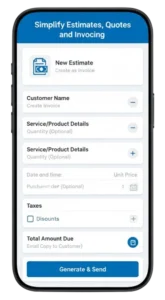
quickly to keep up with all the great leads your partners are sending. This approach transforms your professional network from a list of contacts into an active, lead-generating asset for your company.
A structured approach to partnerships ensures everyone knows what to expect and how to help one another succeed. Here’s a look at how these relationships can work for different trades.
High-Impact Partnership Opportunities for Contractors
| Your Trade | Potential Partner | Mutual Benefit (How You Help Them) | Lead Source (How They Help You) |
|---|---|---|---|
| HVAC Contractor | Roofer | You find attic insulation or ventilation issues, providing them with repair/upgrade jobs. | They spot an aging or inefficient AC unit during a roof inspection. |
| Plumber | Property Manager | You provide reliable, fast emergency service, making their life easier and keeping tenants happy. | You become their go-to for all plumbing needs across their entire portfolio of properties. |
| Electrician | Remodeling Contractor | You handle all the wiring, panel upgrades, and lighting, ensuring their projects pass inspection. | They need a trusted electrical sub for every kitchen, bath, and basement remodel they do. |
| Remodeler | Real Estate Agent | You provide quick estimates for pre-sale repairs, helping them close deals faster. | They refer you to new homeowners who want to renovate right after buying. |
| Landscaper | Pool Installer | You handle the final grading, sod, and planting around the new pool, completing the project. | They pass your info to every client who needs their yard put back together after a pool build. |
Ultimately, building these professional friendships is one of the most sustainable marketing strategies you can have. It diversifies your lead flow and grounds your business firmly in the local community.
Putting It All Together: Your 90-Day Marketing Roadmap
A marketing strategy is just a nice document until you actually do the work. This is where the rubber meets the road—turning all the ideas we've talked about into consistent, daily action.
We're going to map out a manageable 90-day plan designed to build real momentum for your business. The goal isn't to do everything at once. It’s about focusing on the most important things first to build a marketing engine that starts bringing in measurable results within a single quarter.
First, Define What a "Win" Looks Like
Before you spend a single dollar or hour on this, you have to know how you're keeping score. Forget about vanity metrics like random website visits or social media likes. In our world, only a few numbers really tell you if your marketing is working.
Get laser-focused on tracking these essential Key Performance Indicators (KPIs):
- Number of Qualified Leads: How many real, potential customers actually reached out?
- Cost Per Qualified Lead (CPL): What did it cost in marketing spend to get one of those good leads?
- Customer Acquisition Cost (CAC): What was the total cost—marketing and sales time included—to actually land a new job?
- Lead-to-Job Conversion Rate: What percentage of those good leads signed on the dotted line?
You don't need fancy software for this. A simple spreadsheet is perfect to start. Knowing these numbers is the only way you’ll ever make smart, confident decisions about where to put your marketing budget.
This timeline really drives home how a happy customer becomes your best salesperson, feeding the lead generation machine through referrals and bringing in new business organically.

The big takeaway here is that an amazing service experience is a direct investment in your most profitable marketing channel: word-of-mouth.
Your 90-Day Marketing Implementation Calendar
Here's a sample calendar to guide you. Think of it as a roadmap to prevent you from getting overwhelmed and to make sure each step builds logically on the last.
| Month | Week | Primary Focus | Key Actions | Success Metric |
|---|---|---|---|---|
| Month 1 | 1–2 | Foundational Setup | Set up Google Analytics & Search Console. Fully optimize Google Business Profile. Finalize target audience & core messaging. | 100% GBP profile completion. All tracking tools installed correctly. |
| 3–4 | Website & Reviews | Launch new/updated website homepage & service pages. Start review request campaign with past 5-10 clients. | Website live. 3-5 new 5-star reviews collected. | |
| Month 2 | 5–6 | Content & Local SEO | Publish first two blog posts/project case studies. Build 5 new local citations. | 2 new content pieces published. Citation score improves. |
| 7–8 | Paid Ads Launch | Set up a "get a quote" landing page. Launch first Google Local Services Ads or a small search campaign. | Ad campaign live and generating first 1-3 leads. | |
| Month 3 | 9–10 | Nurture & Systemize | Create a simple referral program outline. Draft one email to send to past clients. Analyze first month of ad data. | Referral program documented. First email sent to 20+ past clients. |
| 11–12 | Review & Plan | Review all KPIs (Leads, CPL, CAC). Identify what worked and what didn't. Plan the next 90-day sprint. | Clear data on CPL and conversion rates. Next 90-day plan is drafted. |
This timeline ensures you're building a solid foundation before you start spending money on ads, giving every dollar a better chance to succeed.
The Big Picture Goal for Your First 90 Days
The modern marketing strategy for a construction company has to include new tools. I've seen firsthand that companies using AI-powered insights on their websites to see how visitors behave get much better conversion rates, especially when they add things like virtual tours of finished projects. You can find more data on this in the 2026 construction industry outlook.
Your 90-Day Mission: Establish a consistent, predictable flow of leads. You'll do this by building your online reputation, launching one highly targeted ad campaign, and putting a real system in place for referrals. By the end of this sprint, you'll have hard data showing you exactly what works for your business in your market.
Your Top Construction Marketing Questions, Answered
Jumping into marketing can feel like you’re learning a whole new trade. I get it. Over the years, I've heard the same questions pop up from countless contractors and trade business owners. Let's cut through the noise and get you some straight answers.
What’s a Realistic Marketing Budget for a Construction Company?
There’s no one-size-fits-all answer here, but I can give you a solid rule of thumb. If you’re an established company, a healthy marketing budget is typically between 3-6% of your total revenue.
Now, if you're the new kid on the block or you're aggressively trying to grow and snatch up market share, you'll want to aim higher—think 7-10% for the first year or two. The most important shift in mindset is to see this as an investment, not just another cost. The right marketing doesn't just spend money; it brings in profitable jobs that pay for the effort many times over.
If I Can Only Focus on ONE Thing, What Should It Be?
Hands down, your Google Business Profile (GBP). No question.
Before a potential customer ever sees your slick website or your latest Facebook post, they're going to find you on Google Search or Maps. Your GBP is your digital front door. It’s where they get your phone number, check your reviews, and see photos of your projects. A well-maintained GBP is the absolute bedrock of any local marketing plan and, frankly, gives you the best bang for your buck.
I Get All My Work from Referrals. Do I Even Need a Website?
Yes. 100%. Think about it from the customer’s perspective. Their trusted neighbor gives them your name. What's the very first thing they do? They pull out their phone and Google you.
If they find a clunky, outdated website—or worse, nothing at all—it instantly plants a seed of doubt. It makes you look less professional than the competitor down the street who has a great online presence.
Your website is your 24/7 salesperson. It’s always working, validating those word-of-mouth referrals and making sure a hot lead doesn't turn cold just because they couldn't find proof of your fantastic work online.
SEO vs. Paid Ads: Where Do I Start?
This really comes down to what you need right now.
- SEO (Search Engine Optimization) is the long game. Think of it like buying a house. It takes time and consistent effort to build up that equity, but once you do, it generates leads organically without you paying for every single click.
- Paid Ads (like Google Ads) are for getting quick results. This is more like renting. The minute you start paying, you get visibility and the phone starts ringing. But the second you stop paying, the leads dry up.
Ideally? You do both. Use paid ads for that immediate lead flow to keep your crews busy while you simultaneously invest in SEO for sustainable, long-term growth.
Trying to keep track of all these new leads can be a headache. TackonFSM pulls it all together, giving you one simple platform to turn leads into scheduled jobs, fire off professional estimates, and get paid faster. Check out how it works at https://www.tackonfsm.com.