
A Guide to Mobile Field Service Management Software
If you're running a contracting business, you know the daily chaos. Whiteboards covered in scribbles, spreadsheets that are never quite up-to-date, and a constant stream of text messages between the office and your techs in the field. It’s a juggling act.
Mobile field service management (FSM) software is designed to stop the juggling. Think of it as the central command center for your entire operation—a single platform that connects your dispatchers, your office staff, and every technician, all in real-time.
It’s less like a piece of software and more like the central nervous system of your business, making sure every moving part is perfectly in sync.
One Hub for Your Entire Operation

For contractors in trades like HVAC, plumbing, or electrical, that gap between the office and the field is where money gets lost. A simple miscommunication can lead to a missed appointment. A misplaced paper invoice can delay payment by weeks. These small inefficiencies add up, fast.
Mobile FSM software bridges that gap. It consolidates all those scattered pieces of information into one single, reliable source of truth that everyone on your team can access.
From the First Call to the Final Payment
Let's walk through a typical service call. The old way is a broken chain of events: a dispatcher takes a call, jots down notes, texts a technician, who then scribbles out a paper invoice that hopefully doesn't get lost in the truck.
Now, picture it with mobile FSM software. The dispatcher creates a digital work order with all the customer's details. The system helps them assign it to the right technician based on skill and location. That tech gets an instant notification on their phone with everything they need to know—customer history, job notes, even directions.
This digital backbone ties together the entire job, from start to finish:
- Job Management: See every job on a central calendar, making scheduling and dispatching a breeze.
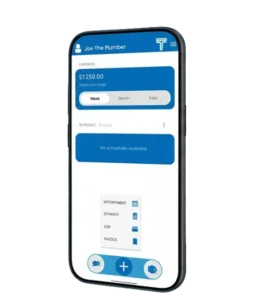
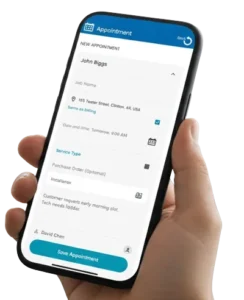
- Technician Mobility: Your techs get a mobile app that puts customer history, parts info, and status updates right in their pocket.
- Customer Communication: Keep customers happy with automated appointment reminders and "on-the-way" texts.
- Financials: Build professional estimates, create invoices right on-site, and get paid instantly with digital payments.
This is about giving your team the tools to work with precision. Instead of constantly putting out fires, you can get ahead of your day, manage your workflow, and give your customers an experience that leaves your competitors in the dust.
To really see the difference, let’s compare the old way of doing things to how it works with a modern FSM system.
Old Methods vs. Mobile FSM Software
| Task | Traditional Method (Paper & Spreadsheets) | Mobile FSM Software Method |
|---|---|---|
| Scheduling a Job | Manual entry on a whiteboard or a shared spreadsheet. Prone to double-booking and errors. | Drag-and-drop scheduling on a digital calendar. Instantly visible to the entire team. |
| Dispatching a Tech | Phone calls and text messages. No real-time visibility of tech location or status. | Smart dispatching suggests the best tech. GPS tracking shows their real-time location. |
| In-Field Information | Tech relies on memory or calls the office for customer history. Paper work orders get messy. | Techs access full customer and job history, service manuals, and checklists on their phone. |
| Creating an Invoice | Handwriting an invoice on a carbon-copy pad. It can get lost, be hard to read, or contain errors. | Generate a professional, itemized digital invoice on-site in seconds and email it to the customer. |
| Getting Paid | Waiting for the customer to mail a check. Chasing down late payments becomes a part-time job. | Accept credit card or ACH payments on the spot through the mobile app. Money is in the bank faster. |
This isn't just about convenience; it's a fundamental upgrade to how your business runs, eliminating bottlenecks and creating a smoother process for you, your team, and your customers.
It's Quickly Becoming the Industry Standard
Moving away from manual methods isn’t just a fad—it’s the new baseline for running a competitive service business. The global field service management market is expected to more than double, jumping from $6.14 billion in 2026 to an estimated $13.79 billion by 2034. You can read the full research on FSM market growth to see just how fast this shift is happening.
This explosive growth is happening for one simple reason: FSM software solves the real-world headaches that contractors face every single day. If you want a deeper dive, you can learn more about why field service management software matters for today’s contractors.
Ultimately, bringing your operations into a single system isn't just about buying new tech. It's an investment in a more organized, profitable, and scalable future for your company.
A Look Inside: The Core Features of FSM Software

Knowing you need a central hub is the first step, but the real magic of mobile field service management software is what’s under the hood. The features are the engine, the tools that actually get to work on the day-to-day problems that plague contractors. These aren't just flashy add-ons; they're designed specifically to solve the headaches you know all too well.
Think of it like a technician's multi-tool. Each piece has a unique job, but they all work together to fix the little inefficiencies that quietly drain your profits and your sanity. From scheduling the right person for the job to actually getting paid for it, these features are the foundation of a calmer, more profitable business.
Let’s break down the essential components you'll be using every day.
Scheduling and Dispatching That Ends the Chaos
For too many service businesses, the schedule is a frantic mess of sticky notes, frantic phone calls, and constant reshuffling. A whiteboard or a basic spreadsheet just can’t keep up with the reality of a day in the field. This is where FSM software steps in, swapping that manual chaos for a smart, visual command center.
The star of the show is the drag-and-drop calendar. It gives your dispatcher a bird's-eye view of every technician’s day, making it ridiculously easy to assign new jobs, move appointments, or react to emergencies without a flurry of calls. To get a better sense of how this works in practice, see how the right field service scheduling software can save you valuable time.
But it's not just about dragging boxes on a screen. This is all powered by real-time data:
- Real-Time Technician Tracking: Integrated GPS lets you see where your team is on a map. This is huge for making smart dispatch decisions for urgent calls and giving customers an honest ETA.
- Skills-Based Assignment: You can tag techs with their specialties—like "commercial HVAC" or "certified for tankless water heaters"—so the system helps you send the right expert every time.
- Live Job Status Updates: The office knows the moment a tech is on their way, on-site, or finished. No more "Hey, where are you at?" check-in calls.
This level of control changes dispatching from a reactive, high-stress job into a strategic part of your business.
The Mobile Technician App: Your Team’s Best Friend on the Job
If there’s one piece of this whole puzzle that matters most, it’s the app your technicians will use every single day. This is their lifeline to the office and their number one tool for getting work done right. A great mobile app isn't just a digital to-do list; it’s their entire toolkit in their pocket.
The right app makes your techs more self-sufficient and more professional. They no longer have to call the office for every little detail because it’s all right there in their hand.
A technician who walks up to a job already knowing the customer's service history, what equipment they have, and what the notes from the last visit said is a more confident and effective tech. That preparation alone can elevate the entire customer experience.
With a solid mobile app, your field team can:
- Access Complete Job Information: Pull up customer details, the job description, and a full service history before they even knock on the door.
- Follow Digital Checklists and Workflows: Make sure crucial steps are never forgotten, which helps standardize your quality across every job and every tech.
- Capture Photos and Videos: Document completed work, show proof of pre-existing damage, or visually explain a needed repair to a customer. It builds trust instantly.
- Update Job Status Instantly: A quick tap lets the office know they’re done, which helps the dispatcher plan the next move and keeps the whole day flowing smoothly.
Parts and Inventory Management in Real Time
Lost or unaccounted-for parts are a quiet killer of your profit margins. It could be a small fitting that never gets added to an invoice or a pricey component that vanishes from a van. FSM software clamps down on this by tracking every single part, from the moment it hits your warehouse to the moment it's on a customer's bill.
It creates a direct, unbroken link between the parts you use and the jobs they’re used on. When a tech adds a part to a work order on their app, the system automatically subtracts it from their van's inventory. Simple.
This immediately solves a few major problems:
- Accurate Van Stock: Know exactly what's on every truck, cutting down on time-wasting trips to the supply house.
- Automated Reordering: Set minimum stock levels for common parts and get an alert when it's time to reorder, so you're never caught empty-handed.
- Eliminating "Part Leakage": By tying every part to a job, you make sure everything is accounted for and, most importantly, billed for.
Streamlined Estimating and Invoicing
Finally, the software bridges the gap between doing the work and getting paid for it. The ability for a tech to build a professional estimate and send an invoice right on the spot radically shrinks your payment cycle.
Your technicians can use a pre-loaded pricebook with your exact parts and labor costs to build good-better-best options for the customer. This helps you maintain consistent, profitable pricing, no matter who is creating the quote. Once the customer gives a digital signature to approve it, that estimate instantly becomes a work order or a final invoice.
This seamless flow means you can:
- Get Paid Faster: Collect credit card or bank payments in the field as soon as the job is done. The money is in your account, not floating in "accounts receivable."
- Look More Professional: Ditch the carbon-copy, hard-to-read invoices for clean, itemized digital documents sent straight to the customer's email.
- Cut Down on Admin Work: No more double data entry. The work your tech does in the field automatically syncs with the office, saving hours of tedious work every week.
How FSM Software Drives Tangible Business Growth
Adopting mobile field service management software isn’t just about making your day-to-day operations a little tidier; it’s about making them fundamentally more profitable. All those features we just covered—scheduling, dispatching, mobile apps—directly translate into real, measurable business growth.
Think of your business like a bucket you're trying to fill with water (revenue). Every minute a tech spends lost in traffic, every part that goes unbilled, or every unhappy customer who never calls again is a small leak. FSM software is designed to plug those leaks, one by one, so you keep more of what you earn.
This is exactly why the market for mobile field service management software is booming, especially for small and mid-sized businesses. The FSM space for SMEs is growing at a 10.12% CAGR, fueled by platforms that sharpen every part of the operation. From smart route planning that can cut fuel and drive time by up to 25% to mobile apps that let techs close out jobs on the spot, these tools give you a serious leg up. You can discover more insights about this market growth on Mordor Intelligence.
Boost Your Field Productivity
The fastest way to grow is to get more done without burning out your team or hiring more people. That's the productivity puzzle, and FSM software helps you solve it by turning wasted time back into billable hours.
Instead of a dispatcher making educated guesses, the system finds the most efficient routes for your team. When an emergency call comes in, GPS tracking instantly shows you who is closest and has the right skills for the job. No more phone tag, no more backtracking. It’s all about fitting more profitable work into the same workday.
Imagine squeezing just one extra service call into each technician's daily schedule. For a five-person team, that’s over 100 additional profitable jobs per month, all without adding a single dollar to your payroll.
Protect Your Profit Margins
Revenue is great, but profit is what keeps the lights on. FSM software gives you the visibility to stop money from quietly slipping through the cracks. For most contractors, inaccurate quotes and "lost" parts are the two biggest silent killers of profitability.
With an integrated system, every estimate is built from your official price book, ensuring your labor rates and markups are always correct. This stops underbidding in its tracks. At the same time, tight inventory tracking means every part that leaves a van is tied to a work order and, ultimately, an invoice. For specialized trades, tools like HVAC business management software are especially good at locking down these operational details.
- Eliminate Underbidding: Use pre-set pricing and margin controls to ensure every job is profitable from the start.
- Stop Part Leakage: Track every component from the warehouse to the customer's invoice so nothing gets missed.
- Reduce Return Trips: Make sure your techs have the right parts on the truck the first time, saving you time, fuel, and frustration.
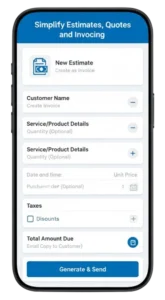
The key is to simplify estimates, quotes, and invoicing within a single, connected platform.
Deliver a Superior Customer Experience
In the service business, your reputation is everything. A fantastic experience turns a one-time job into a lifelong customer who leaves glowing five-star reviews. FSM software helps you deliver that professional touch, automatically.
It begins with automated appointment reminders that cut down on no-shows. On service day, "on-my-way" texts with a link to track the technician's ETA show customers you respect their time. And when the work is done, a clean digital invoice with easy online payment options makes wrapping things up smooth and modern.
This constant, professional communication is what separates you from the competition and builds a rock-solid reputation for reliability.
Choosing the Right Mobile FSM Software for Your Business
Picking a mobile field service management software is a big deal. Let's be honest, it's a high-stakes decision. This platform is about to become the operational heart of your company, so you need a real partner, not just another piece of tech. You're looking for a system built for the messy reality of a trade business—one that gets your workflow from the first phone call to the final payment.
This isn't about finding the software with the longest feature list. It's about finding the right features for you, packaged in a way your team can actually use. A confusing, clunky system will just create more problems, no matter how powerful it claims to be.
The real goal here is to cut through the sales pitch and find an operational partner that makes your business more efficient, more profitable, and a whole lot easier to run.
Focus on the Mobile App First
Your technicians are the lifeblood of your business. If they hate the mobile app, you've wasted your money. It's that simple. Their adoption of the app will make or break your success. If they find it frustrating, slow, or buggy, they'll go right back to paper and pen, and your investment goes down the drain.
So, the quality of the mobile app is non-negotiable. It has to be intuitive, and it needs to be designed for a tech bouncing around in a truck, not an accountant sitting at a desk.
Most importantly, it needs rock-solid offline functionality. Your techs are in basements, rural areas, and new construction sites with spotty service all the time. The app has to let them see job details, fill out checklists, and build invoices even without an internet connection. It should just work, syncing up automatically the second they get back online.
Evaluate Core Operational Needs
Beyond the app, the main platform has to fit how you actually run your business. Every contractor's got their own way of doing things, but a few core areas need a hard look during your evaluation. When you start comparing options, a good field service software comparison guide can be a huge help in organizing your thoughts.
Here are the key things to really dig into:
- Inventory Management Depth: Can it track parts across multiple trucks and the main shop? A good system stops parts from "walking away" and cuts down on those last-minute trips to the supply house.
- Scheduling and Dispatching Flexibility: You need a visual, drag-and-drop calendar that gives you a bird's-eye view of the whole day. Can it handle multi-day installs or recurring maintenance contracts without forcing you into clunky workarounds?
- Customer Support and Onboarding: How are they going to help you get started? Look for companies that give you a dedicated person to help with setup and have real humans you can call for support—not just a library of help articles.
Questions to Ask During a Software Demo
A live demo is your chance to get past the slick marketing video and ask tough questions about your business. Don't let the salesperson run the whole show. Come prepared with a list of your biggest daily headaches and make them show you how their software solves them.
A software demo shouldn't just be a showcase of features; it should be a problem-solving session. Your goal is to see if their tool can solve your specific operational headaches, not just check boxes on a feature list.
Use these questions to steer the conversation and get the answers you actually need.
Key Questions to Ask FSM Software Vendors
| Category | Question to Ask | Why It Matters |
|---|---|---|
| Mobile App Usability | "Can you walk me through a typical job on the mobile app, from start to finish, including offline mode?" | This tests the real-world workflow your technicians will use every day and confirms its offline capabilities. |
| Data Migration | "What does the process look like for migrating our existing customer list and price book from QuickBooks (or our current system)?" | A smooth data migration is essential for a fast start. A vendor with an established process reduces implementation headaches. |
| Complex Jobs | "How does the system handle a multi-day project with multiple technicians and phased invoicing?" | This reveals if the software can grow with you and manage more than just simple one-off service calls. |
| Financials | "Show me how a technician builds a multi-option 'good-better-best' estimate and how markups are applied to parts." | This confirms you can protect your profit margins and offer customers choices directly within the system. |
| Customer Communication | "Can we customize the automated appointment reminders and 'on-the-way' notifications?" | The ability to tailor communication helps you maintain your brand's voice and deliver a consistent customer experience. |
Choosing the right mobile FSM software is a strategic investment in your company's future. By focusing on how your techs will use it, what your core business needs are, and asking the right questions, you can confidently pick a platform that will actually help you grow.
Making a Smooth Transition to Your New FSM System
The thought of switching your core business software can feel overwhelming. Let's be honest, you're busy running the business, and the last thing you need is a massive IT project. Migrating all your customer data, price books, and job history—not to mention retraining the whole team—sounds like a recipe for a major headache.
But here’s the good news: moving to a modern mobile field service management software isn’t the chaotic ordeal it used to be. The right software provider acts more like a partner than a vendor. They won't just hand you a login and wish you luck; they’ll walk you through a clear, organized process to get you up and running.
Think of it less as a chore and more as a project with a huge payoff waiting at the finish line.
Preparing for a Seamless Launch
A successful "go-live" day actually starts weeks before. A little bit of prep work upfront can save you countless hours and frustrations down the road. It's like prepping a room before you paint—you wouldn't just slap paint on dusty, unprepared walls, right? You clean them and tape off the trim to get a professional finish. The same logic applies here.
Your first step? Tidy up your existing data. This is the perfect time to archive those old, inactive customers you haven't heard from in years. Take a hard look at your price book, too. Update your material costs, adjust labor rates, and get rid of any services you don't even offer anymore. Starting with clean data means you aren't dragging old baggage into your powerful new system.
The Data Migration Process
Getting your information out of your old setup and into the new one is probably the step that worries owners the most. Whether your data is currently stuck in QuickBooks, scattered across spreadsheets, or housed in another platform like Jobber, Housecall Pro, or ServiceTitan, a good provider has seen it all before.
Many top-tier platforms, including our own TackonFSM, offer free, assisted data migration. This isn't some DIY export/import job you have to figure out on your own. You’ll have an implementation specialist dedicated to helping you pull your data out and map it correctly into the new software. No more manually re-entering thousands of customer records.
Typically, a guided migration will handle all the critical stuff:
- Customer Lists: Names, phone numbers, addresses, and even past service notes.
- Price Books: Your complete catalog of parts, materials, and services.
- Existing Jobs: Any scheduled or in-progress work is moved over so nothing falls through the cracks during the switch.
This simple visual breaks down the journey from evaluating your needs to going live with your new system.

As you can see, it's a logical path—not a leap of faith. You move from one stage to the next with total clarity.
Onboarding and Training Your Team
Once the data is securely in place, it’s time to focus on the people who will be using the software every day: your team. Real, effective onboarding is more than just sending out a link to a generic YouTube tutorial. It should be a hands-on, personalized experience that gets everyone comfortable from the get-go.
A good provider will schedule dedicated training sessions for your office staff and your field technicians. For the office crew, they’ll walk through the new dispatch board, show them how to create invoices in just a few clicks, and explain how to pull up useful reports.
For your techs, it's all about the mobile app. The fastest way to get them to buy in is to have them actually use it. A skilled onboarding specialist will have them complete a mock work order on their own phones, from receiving the dispatch to taking the final payment.
This practical, hands-on approach builds confidence fast. It proves to your team that this new tool is here to make their jobs easier, not more complicated. The switch to a new mobile field service management software is an investment in your company’s future, and a smooth, well-supported transition ensures you start seeing a return on that investment from day one.
Looking Ahead: How Today's FSM Software Prepares You for Tomorrow
Picking the right mobile field service management software isn’t just about putting out today's fires—like messed-up schedules or late invoices. It's about building a business that can keep up and pull ahead in the years to come. Think of it less like buying a tool and more like making a strategic investment in your company's future.
Let’s be honest, customer expectations have completely changed. People now want the same slick, on-demand experience from their HVAC tech that they get from Uber. That means they're looking for real-time technician tracking, simple online booking, and clear, constant communication. A good FSM platform is the engine that makes all of that possible.
Smarter Operations Are Here
Those futuristic technologies you hear about? They’re not just for big corporations anymore. Things like AI and smart sensors are being baked right into modern FSM software, giving savvy contractors a serious advantage without needing a degree in computer science.
This isn't just a small shift; it's reshaping the entire industry. In fact, by 2026, tech like AI and IoT is set to drive huge growth in field services. A staggering 74% of mobile workers already say their customers expect real-time updates and self-service options. If you want to dig into the numbers, the full breakdown of global field service management trends on brocoders.com is worth a read.
So, what does this actually look like in practice?
- Artificial Intelligence (AI) for Smart Dispatching: AI isn't some robot overlord. It’s a practical tool that automatically finds the fastest routes, factoring in traffic and job priority to shave off drive time and fuel costs. This means you can squeeze more paying jobs into the day, plain and simple.
- Internet of Things (IoT) for Getting Ahead of Problems: Picture this: a customer's AC unit has a small sensor on it. Before a critical part fails, that sensor flags the issue and automatically generates a work order in your system. You can then call the customer to schedule a fix before they're even aware of a problem. Suddenly, you’re not just a repair person; you're a proactive partner.
Giving Customers the Control They Expect
The biggest trend hitting us right now is the demand for customer self-service. People want to book appointments, see when a technician will arrive, and look up past invoices on their own time, without having to call your office.
A self-service portal is basically a 24/7 digital front door for your business. It lets customers handle the small stuff on their own terms, which makes you look professional and builds the kind of loyalty that keeps them coming back.
When you choose a mobile field service management software that incorporates these forward-thinking features, you're doing more than just catching up. You're setting your business up to lead the pack, ready for whatever your customers—and your competition—throw at you next.
Got Questions About FSM Software? We've Got Answers.
Jumping into the world of mobile field service software can feel like a big step, and it's natural to have questions. Here are some straightforward answers to the things we hear most often from contractors trying to figure it all out.
What's This Going to Cost Me?
FSM software pricing is all over the map, and honestly, it can be confusing. It’s way too easy to get stuck in a plan that doesn't grow with you. Some platforms will hit you with a high starting fee and then charge a ton for every new user, which gets expensive fast as you hire more people.
The key is to find transparent, predictable pricing that’s based on the size of your team right now. Look for providers who lay it all out on the table—no hidden fees, no getting locked into long-term contracts. And don't just look at the monthly price; factor in the total value, like free onboarding help and real support when you need it.
Will My Techs Actually Use the Mobile App?
This is the make-or-break question. If your team in the field doesn't embrace the mobile app, the whole system falls apart. The best apps are built with technicians in mind—they're simple to navigate, work every time, and, crucially, don't just die when you lose an internet connection in a basement or a rural area.
Here’s a non-negotiable rule: never buy software without a proper test drive. Insist on a free trial so your technicians can use the app on real jobs. Let them tell you if it’s a tool that actually makes their day easier or just another headache. A clunky app is a dealbreaker.
Is My Business Too Small for This Kind of Software?
Not a chance. In fact, for a smaller business, the right FSM software is one of the smartest moves you can make. It’s the kind of tool that lets a small, nimble crew punch way above its weight, operating with the same polish and efficiency as the big guys.
Think about it: this software slashes the time you, the owner, spend buried in administrative chaos. It gets you paid faster by letting you invoice and take payments on the spot. Most importantly, it helps you provide that five-star customer experience that earns killer reviews and wins you the next job.
Ready to see how a clear, simple FSM can change the way you work? TackonFSM is a no-nonsense platform built for contractors like you. Start your free 14-day trial today and see the difference for yourself.