
Average Cost Plumber: the average cost plumber insights for homeowners

Trying to figure out what a plumber will charge can feel a bit like guesswork. On average, you can expect to pay anywhere from $45 to $200 per hour, with most jobs landing in the $175 to $480 range. But that's just a ballpark figure—the final invoice really hinges on the type of work, where you live, and the plumber's level of experience.
Decoding Plumber Pricing Models
Before we get into what drives costs up or down, it’s crucial to understand how plumbers bill for their time. Most pros stick to one of two main structures: charging by the hour or offering a flat-rate price for the whole job. Each has its place, and the right one often depends on the task at hand.
Think of it this way: hiring a plumber is a bit like getting a ride. An hourly rate is the taxi meter—it keeps running while the work is being done. This makes a lot of sense for troubleshooting mysterious leaks or handling unpredictable repairs where the scope isn't clear from the start.
A flat-rate fee, on the other hand, is like buying a bus ticket. You pay one set price for a specific service, like clearing a main drain. You know the cost upfront, no matter how much "traffic" the plumber runs into. This gives you total cost certainty for common, well-defined projects.
Hourly Rates Explained
The classic hourly rate is exactly what it sounds like: you pay for the plumber's time on the job, plus the cost of any parts or materials they use. This rate can vary wildly. A new apprentice is going to be a lot cheaper per hour than a master plumber who has seen and fixed it all over a 20-year career.
A plumber's hourly rate isn't just pure profit. It has to cover all the overhead of running a legitimate business—things like liability insurance, gas for the truck, expensive diagnostic tools, and office staff.
Flat-Rate Pricing Explained
More and more plumbing businesses are moving toward flat-rate, or "menu," pricing for standard services. With this model, you get a single, all-inclusive price to, say, install a new water heater or replace a toilet.
The big win for homeowners here is predictability. You know exactly what you’re paying before the first wrench is turned, which means no sticker shock if the job takes a little longer than expected.
To give you a clearer picture of how a plumber's skill and certification level affects their hourly rate, here’s a typical breakdown.
Average Plumber Hourly Rates by Experience Level
This table illustrates the typical hourly rates homeowners can expect based on a plumber's professional certification and experience.
| Plumber Level | Average Hourly Rate Range |
|---|---|
| Apprentice Plumber | $45 – $90 |
| Journeyman Plumber | $60 – $110 |
| Master Plumber | $80 – $200 |
As you can see, investing in a more experienced plumber costs more per hour, but their efficiency and expertise can often save you money in the long run by getting the job done right the first time.
So, What Really Goes into Your Plumbing Bill?
Getting a plumber's base rate is a great start, but it's only one piece of the puzzle. The price you're quoted for the average cost plumber can shift quite a bit once other real-world factors get thrown into the mix. Think of it like a base model car—the sticker price looks good, but the final cost changes once you add the features you actually need.
Your final invoice is really a blend of labor, materials, and a few other variables that can add up fast. Knowing what these are ahead of time will help you understand why one job costs more than another and can save you from that dreaded sticker shock when the bill comes.
Emergency and After-Hours Service
Urgency is probably the single biggest multiplier when it comes to plumbing costs. Let’s be honest, a pipe that bursts at 3 AM on a holiday weekend is going to hit your wallet harder than a leaky faucet you schedule for next Tuesday. Plumbers charge a premium for emergency work because it means dropping everything and being on call 24/7.
That premium isn't small, either. You can expect to pay 1.5 to 2 times their standard hourly rate. You're not just paying for the fix; you're paying for the convenience of getting a pro to your door immediately, no matter the time of day.
- Standard Hours: Usually your typical Monday-Friday, 8 AM to 5 PM window.
- After-Hours: This is where evenings, weekends, and holidays fall—and where the rates start to climb.
- Emergency Call: When you need someone right now. This typically carries the highest fees.
The Cost of Parts and Materials
The actual hardware needed for the job will obviously affect your total bill. A simple rubber washer for a dripping faucet might only cost a few cents. But if you're replacing a top-of-the-line water heater or a specialized sump pump, the materials alone can run into the thousands.
Even the type of material makes a difference. For instance, swapping out old pipes with durable copper will cost more per foot than using more modern PVC or PEX alternatives. A good plumber will walk you through the options, explaining the pros and cons of each so you can make a call that fits your budget and the needs of your home.
It's not just about the time it takes the plumber to do the work; the complexity of the parts themselves matters. Tracking down a specific valve for an old, discontinued faucet is going to cost more in both parts and labor than grabbing a standard component off the shelf.
Geographic Location and Regional Pricing
Where you live has a huge impact on what you'll pay. A plumber based in a major city with a high cost of living, like Fairfield County, CT, has much higher overhead—think insurance, gas, and wages—than a plumber in a small rural town.
Those operating costs naturally get rolled into their pricing. It’s not uncommon to see hourly rates in big urban areas run 20-40% higher than in the suburbs. This isn't price gouging; it's just the economic reality of doing business in different parts of the country.
Travel Fees and Trip Charges
Don't be surprised to see a flat "trip fee" or "dispatch fee" on your estimate. Many plumbing companies charge this just to show up. It covers the plumber's time on the road, fuel, and vehicle upkeep, ensuring they're compensated for their time even if you just need a quick, simple fix.
This fee often lands somewhere between $50 and $150 and is sometimes rolled into the first hour of labor. It’s always a good idea to ask if the trip charge is separate or included in the hourly rate. That one question can clarify the absolute minimum you'll pay before any work even starts.
Average Costs for Common Plumbing Jobs
While knowing the hourly rate helps, it’s a bit like knowing the price of flour without a recipe. What you really want to know is the price of the whole cake. Seeing how those hourly rates and cost factors play out in real-world jobs is what lets you budget properly and feel confident when you get a quote.
Let’s put some real numbers on the board for the most common service calls. Think of these ranges as a solid starting point for what you can expect.
Small Repairs and Common Fixes
Most of the time, plumbing problems are small but incredibly annoying. The good news is that these are usually the fastest and cheapest jobs to get done.
- Fixing a Running Toilet: You're typically looking at $100 to $300. It's often just a simple fix, like swapping out a bad flapper or fill valve—parts that don't cost much themselves.
- Clearing a Clogged Drain: A simple clog in a sink or tub will usually set you back $125 to $350. However, if the problem is a major blockage in your main sewer line, that price can jump dramatically because it requires much more powerful equipment.
- Repairing a Leaky Faucet: That constant drip… drip… drip can often be silenced for $150 to $400. The final price depends on the faucet's design and whether it just needs a new washer or a more complex cartridge replacement.
This is where the variables we talked about really come into play.
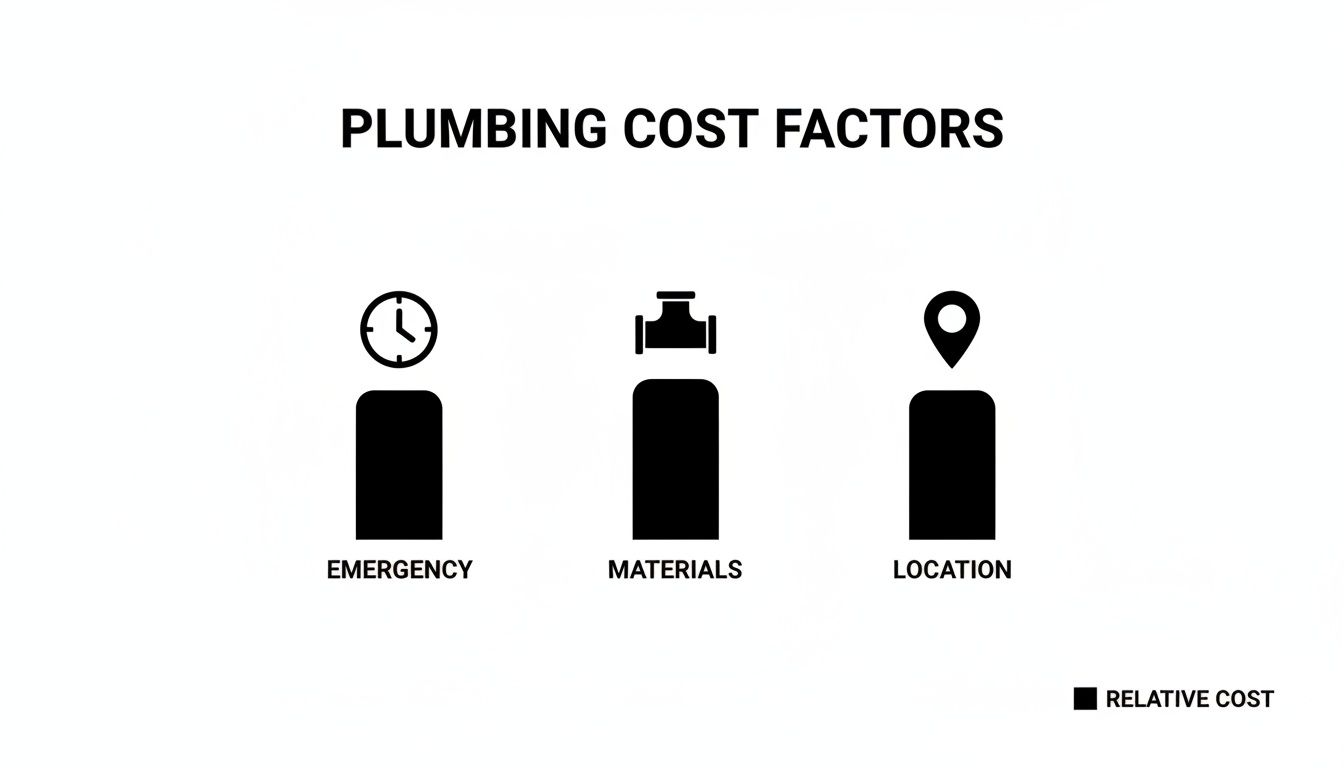
As you can see, needing a plumber on a Sunday night, requiring high-end brass fittings, or living in a major city are all things that will push these average costs up.
Major Installations and Replacements
When you move beyond simple fixes to bigger projects, the costs naturally climb. These are less about repairs and more about significant investments in your home's core systems.
Recent industry data shows the national average to hire a plumber hovers around $339, but that figure is a bit misleading. The real-world range is huge, from $99 for a quick fix to over $975 for something more involved. For instance, repairing a sump pump might cost between $300 and $1,000, while installing a brand-new water heater will probably land somewhere between $800 and $2,000.
And for the really big jobs? A whole-house repiping project could run anywhere from $10,000 to $20,000, which really shows how much the scope of work and materials drive the final bill. You can get a better feel for the market by digging into these plumbing cost statistics.
Key Takeaway: The complexity of the job is the biggest cost driver. A simple parts swap is straightforward, but projects requiring new pipe runs, structural access, or major appliance installations will always command a higher price due to increased labor and material needs.
How Homeowners Can Get an Accurate Plumbing Estimate
When you're facing a plumbing crisis, the last thing you want is more stress from the hiring process. Getting a handle on potential costs upfront is the best way to avoid a nasty surprise on the final bill. With the right approach, you can protect your budget and feel confident you’re paying a fair price.

The single best thing you can do? Get at least three written estimates from different plumbers. This isn’t just about hunting for the lowest price. It’s about understanding the ballpark for your specific job. If one quote comes in drastically lower than the others, it’s often a red flag for corner-cutting with cheap parts or inexperienced labor.
Key Questions to Ask Every Plumber
Before you give anyone the green light, think of it as a quick interview. Any true professional will be happy to answer your questions. Don’t sign anything until you’ve asked:
- Are you licensed and insured? This is a deal-breaker. A license means they meet state requirements, and insurance protects you and your home if something goes wrong.
- Do you offer a warranty on your work? Find out if they stand behind their labor and the parts they install. A solid warranty shows confidence in their workmanship.
- Is this a binding quote or an estimate? An estimate is just a guess and can change. A binding quote is a firm price for the work described, which gives you much more security.
A professional quote isn’t just a number scribbled on a piece of paper. It’s an itemized breakdown that separates costs for labor, materials, and other fees. This transparency is a sign of a trustworthy contractor.
Demand a Detailed Breakdown
A good quote should be a clear recipe, not just a final price tag. It empowers you to compare your options intelligently. One plumber might have a higher labor rate but get better prices on parts. With an itemized list, you can see the full picture and make a choice based on total value.
This detail also helps you avoid "scope creep"—that sneaky process where a small job slowly balloons into a bigger, more expensive one. When you have a clear agreement in writing, any new work has to be discussed and approved by you first.
While homeowners focus on getting clear quotes, plumbing businesses can learn more about creating them efficiently with modern tools that streamline the process from the contractor's dashboard. By taking these steps, you shift from being a worried customer to an empowered homeowner who can confidently manage the average cost plumber for any project.
How Plumbing Contractors Can Create Profitable Estimates
For any plumbing contractor, creating an estimate is a tightrope walk. You’ve got to be competitive enough to win the bid, but you also have to protect your razor-thin profit margins. It's a blend of art and science, made even trickier by the constant flux of material costs and the ongoing skilled labor shortage.
This isn't a game of guesswork. Relying on what you charged for a similar job six months ago is a recipe for disaster. One miscalculation on a part or a few underestimated labor hours can wipe out your profit and turn a good job into a money pit.
The Science of Accurate Quoting
Old problems need new tools. The days of thumbing through a dusty price book or scribbling quotes on a notepad are numbered. This is where field service management (FSM) software really shines, giving contractors the power to build professional, itemized estimates in minutes, right on the spot.
The heart of these systems is a digital pricebook. Instead of each technician quoting a little differently, your entire team pulls from the same up-to-date list of parts and labor rates. Consistency is the first step toward profitability.
Accurate estimates aren’t just about winning jobs—they’re about winning the right jobs at the right price. Technology turns messy, inconsistent quoting into a repeatable system that protects the financial health of your business.
To make sure every job is profitable, it’s crucial to master the techniques behind estimates that cover all your costs and build in a healthy margin. You can learn more by exploring different strategies for pricing services.
Navigating a Demanding Market
The plumbing industry in the U.S. is booming. Projections show the market hitting $191.4 billion by 2026, thanks to aging infrastructure and the constant need for plumbing work. But that growth comes with its own headaches—namely, a labor shortage that pushes wages up and supply chain hiccups that make materials more expensive. To stay ahead, plumbing businesses have to get smarter and more efficient.
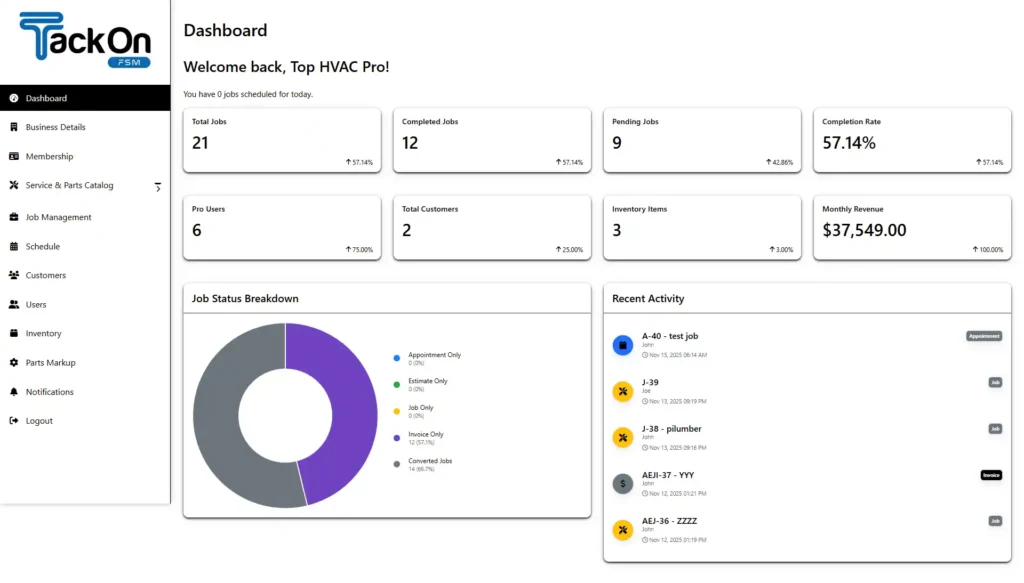
This is where having the right tech makes all the difference. An FSM platform like TackonFSM helps you fight back against shrinking margins. With features built specifically to make estimates, quotes, and invoicing easier, you can gain much-needed control.
- Standardize Pricing: Build every estimate from a master price list that includes your pre-set markups. No more guessing.
- Enforce Margins: Automatically set and enforce minimum profit margins on every single quote that goes out the door.
- Track Everything: Tie parts directly to specific jobs, so you can be sure every single component gets billed correctly.
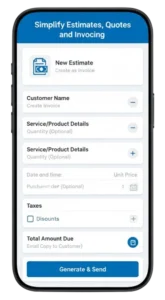
When you automate these financial guardrails, you protect your profitability on every job, big or small. It lets you take advantage of the high demand in the market without getting squeezed by the economic pressures that trip up so many other contractors.
Streamline Pricing and Protect Your Profit Margins
Let's be honest: creating profitable estimates is a constant battle for plumbing contractors. You need to be competitive enough to win the job, but if you bid too low, you're practically paying to work. With material costs all over the place and labor getting more expensive, you can't afford to just guess.
This is where a solid system makes all the difference. Moving from scribbled notes and spreadsheets to a modern field service management (FSM) platform isn't just for the big guys. It gives small and mid-sized shops the tools to nail their pricing every single time, turning quoting from a chaotic scramble into a reliable system that actually protects your profits.
Enforce Profitability on Every Job
The heart of this system is a digital, centralized pricebook. Forget trying to remember the cost of every fitting or referencing an outdated price sheet. Every estimate you build pulls from a current catalog of your parts and labor rates.
With a platform like TackonFSM, you can take it a step further and enforce minimum profit margins on every quote. Think of it as a financial guardrail for your business. It automatically stops you from accidentally underbidding and makes sure that even when you throw in a discount, the job is still making you money.
This takes the emotion and human error out of pricing. Every quote that goes out the door is guaranteed to hit your financial targets, whether it's created by you, your top tech, or the new person in the office.
From Estimate to Invoice in One Click
We all know how much time gets wasted on paperwork. Manually transferring details from a quote to a work order and then to an invoice is not just slow—it’s where mistakes happen. A forgotten part here, a miscalculated hour there, and suddenly your profit on a job has vanished.
An integrated FSM system connects the dots for you. Once the customer gives the green light on a digital estimate, the platform instantly converts it into a work order and, later, a final invoice. It’s seamless, accurate, and saves a ton of administrative headaches.
- Elastic Parts Database: Build detailed, itemized quotes in minutes by pulling from a database loaded with thousands of parts. You'll never forget to bill for a single screw or fitting again.
- Seamless Conversion: Turn an approved estimate into an invoice with one click. Every line item transfers over perfectly, so there’s zero chance of manual entry errors.
- Faster Payments: Send professional invoices with secure payment links right to your customer's phone or email. This gets cash in the bank faster and improves your overall cash flow.
Many plumbing contractors are also looking for deeper strategies on how to price plumbing services for maximum profitability to stay ahead of the competition. By using these kinds of tools, you can spend less time buried in paperwork and more time doing the work that actually grows your business.
To see how the right tools can help you get organized, check out guides on field service scheduling software that saves time.
A Few More Questions About Plumber Costs
Even with all this information, a few questions always seem to pop up. Let's tackle some of the most common ones I hear from both homeowners and other contractors.
Is It Cheaper to Pay Hourly or a Flat Rate?
Honestly, it really depends on the job. For a simple, straightforward fix—something I know will take less than an hour—an hourly rate can definitely be cheaper for the homeowner.
But for bigger, more complex projects, a flat-rate price is usually the way to go. It gives you, the customer, complete certainty about the final cost. No one likes a surprise bill, and a flat rate protects you if the job takes longer than expected. You'll find a lot of seasoned pros now offer a hybrid approach, giving you the best of both worlds.
How Can I Tell if a Plumber's Quote Is Fair?
My best advice? Always get at least three written estimates from different, reputable plumbers. Make sure they're licensed and insured, and ask them to break down the costs for labor and materials.
A quote that’s way lower than the others isn't a bargain—it's a red flag. It could mean they're using cheap parts, sending an inexperienced tech, or planning to hit you with hidden fees down the line.
Ready to create accurate, profitable estimates in minutes? TackonFSM helps you track parts, enforce margins, and streamline your entire workflow. Learn more and start your free trial.